Tuesday, April 7, 2020

Hope Chest Housekeeping - Cleanliness


Cleanliness. It goes without saying that any fabric item going into storage should be clean. Our hands contain oils and acids in the skin and by the time we are finished with a project, it is soiled. It may not look dirty and we may have been careful, but we still need to clean it. Over time, these acids and oils can stain or weaken the fibers of the fabric. Dust particles can abrade the fabric. Don't store any items in the hope chest that aren't completely clean. If you do press an item before storage, don't use starch or any other additive to the fabric. Silverfish thrive on starch and other pests may be attracted to the fragrance of laundry additives like fabric softener and dryer sheets.

As you begin a project for the hope chest, always begin with clean hands. Keep your surroundings clean also. Don't eat while you work and be careful of spilled drinks. Keeping the project clean from the beginning will help avoid stains and trouble with washing later.

If appropriate, wash your project by hand in running tepid water. You could use a small amount (pea-sized) of Dawn dish soap rubbed into the palm of your hand and then squeezed gently through the fabric. I also like a product called Eucalan, a no-rinse, delicate hand wash detergent. Gently wash the item, don't scrub or scrunch. Rinse, gently but thoroughly, swishing in tepid water until no suds are noticed. Squeeze the water out, but don't wring it. Place the item on a terry towel and roll it up. Squeeze again until most of the water is removed. Place the project flat to dry. Larger projects can be machine washed as normal, but separate from regularly soiled laundry. Don't add the usual softeners.

Conservators say not to iron textiles that go into storage, but I can't help myself. I want things to look nicely finished and ironing does that. However, use the coolest iron possible and don't iron in any creases. These creases will form naturally over time, but we certainly don't need to add them in!

Be cautious with the cleanliness of other items that might be added into the hope chest. Books and especially heirlooms that are a bit grimy can soil any items that are next to it. So take precautions to clean these items or wrap them before adding them into the collection.


Monday, April 6, 2020

Hope Chest Housekeeping - The Conservation of Stored Treasures


The most important factor in the deterioration of fabric is always the surroundings or conditions in which they are stored. The physical stress of folding a textile is possibly the greatest contributing factor, but light, humidity and temperature also play a role. Pollutants such as the chemicals which may be present in the manufacture of the fabric and other damaging airborne pollutants such as cigarette smoke are also harmful to fabrics, causing discoloration or weakness in the fibers. Pests, such as moths, silverfish, carpet beetles and rodents, are another obvious threat. If we practice a little hope chest housekeeping, we can reduce the possible deterioration of our stored items.

This week I am sharing a series of posts discussing several conditions that affect the storage of linens and other items we might have in a hope chest. The first of these elements is the container itself.


A Box. In the first place, a large, strong box or container offers physical protection to all the lovely items one might collect for the hope chest. It doesn't need to be the traditional cedar chest to be useful or effective. A trunk or crate, a wooden chest of drawers, even a large opaque plastic tub would serve to physically protect the contents from the outside environment. My own hope chest was a cardboard apple box that my ingenious mother crafted to hold my things. Some further details apply for effective and safe storage of your treasured items.

Light. The fibers in fabric suffer under prolonged exposure to ultraviolet light, especially sunlight. So storing your textiles in darkness will help preserve the integrity of the fibers as well as the pretty colors. The container of your choice should be opaque to prevent fading.

Strength.  Hope chest items are heavy and, when stored together, are massively heavy. One instinctively feels that fabric is light in weight, but a stack of folded fabric is actually quite heavy. Whatever physical container you choose must be strong and able to stand up under the weight of the items you collect. Dishes, books, tools and other heavy items should be stored separately in a smaller, strong container. 

Acid. Wood, cardboard and most paper is acidic and acid is especially damaging to textiles. While a cedar chest could be helpful in deterring some pests, the wood itself is toxic especially to cotton and linen. So for maximum preservation in a long-term storage situation, textiles should not come into direct contact with wood or with regular paper such as cardboard. Our pretty textiles can be wrapped in a clean white cloth, such as an old sheet or pillowcase, or in a common muslin bag to help protect them from the staining that can occur if they lay next to an acidic surface. I have made pretty wrappings for Miss Abigail's textiles to help organize them in sets and to protect them from acid within her wooden hope chest.

Miss Abigail has a traditional hope chest in the form of a wooden box. However, it is nontraditional in that is is not made of cedar wood. When I asked our son to build Abby's chest I specifically asked him not to use cedar. Cedar does work to repel bugs in wool fiber, but it also yellows and actually deteriorates fabric over time and it can be truly lethal to photographs. Pine is a wood with resins that repel bugs also, it is just not as strong as cedar. So Cameron made Abby's box with pine.


Abigail also has an "auxilary" hope chest. This is a sturdy, antique wooden chest of drawers that I purchased at the estate sale of a dear friend. It can serve Abby as a nice piece of practical furniture in her future home. Two other large plastic tubs hold additional items and various cardboard boxes are in closets around the house.


So, a cardboard box is not ideal because it is not as strong and is acidic. A plastic tote is not ideal because it out-gases and traps humidity. Even a cedar chest, or other wooden chest is not ideal because it also is acidic and, over time, stains and damages the very fabric it is designed to protect. But much in our life is not ideal right? We simply recognize that we are not a museum and are limited to what we can do within a household. We can also remember that the items we create will serve an everyday purpose within a limited number of years, in spite of stains and damage. But there are ways that we can lessen the effects of time through good housekeeping and smart storage.

So stay tuned for more in this series discussing smart storage. Cleanliness. Climate. Pests. Physical Stress.

Sunday, April 5, 2020

A Peek Inside - Pretty Hand Embroidered Pillowcases

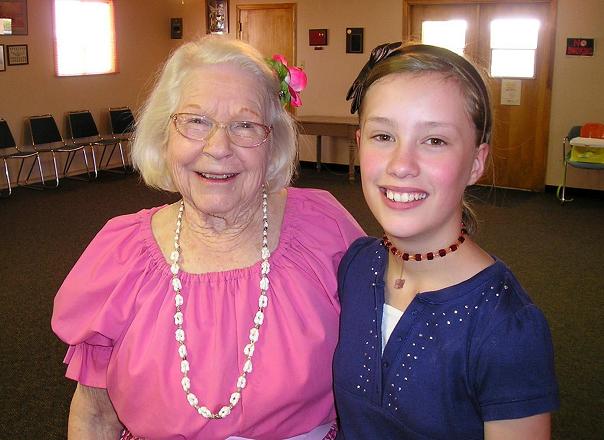
These pretty pillowcases were embroidered by Miss Doris, one of Abigail's older friends. The embroidery is so carefully done, so beautifully stitched.


Miss Doris was a longtime member of the Stanley Homemakers Club - the women's club that Abigail was born into. Doris contributed several things to Abigail's hope chest over the years. She was an expert at hand embroidery and made several sets of dishtowels for Abby.


This picture was taken in 2011 when Abby was 13 years old. Doris was such a friend to me and spoiled Abby as much as she could. Doris passed away a few days ago from the consequence of age and, while I am happy that she is released from this life and joins her beloved J.C., I am also sad to live in a world without her in it. She was truly a homemaker and I'm so glad Abby has so many things in her hope chest that will remind her of memories of Miss Doris. 


Thursday, April 2, 2020

Abigail's Apron - Green and Blue Set

I am making coordinating aprons for this kitchen set. This pretty floral apron will be Abigail's. I honestly love this pattern! It is called "Sassy Little Apron" by Cabbage Rose. My favorite feature is the contrasting bias ruffle - I love the drape! I also really like the facing feature that saves me from having to hem around such a large area - nice. I used this pattern for the apron in the Thanksgiving set also - there you can see a much younger Miss Abigail modeling this pattern.


Here is information about Cabbage Rose patterns - the CUTEST aprons!

Cabbage Rose
4598 Kilkee Drive
Redding, California  96001
cabbagerosequilts.com

Tuesday, March 31, 2020

Rick-Rack Handtowels - Green and Blue Set

I finished off these hand towels yesterday. It was a simple thing to sew a fabric strip down and trim it with rick rack. Easy peasy! I will admit the embroidered french knots took a bit of time, but, as I was listening to the news anyway, it was not a hardship.


If you are looking for an easier way to attach the rick rack look at this tutorial. It is still embroidery, but much quicker and more simple than french knots.

Monday, March 30, 2020

Green and Blue Kitchen Set

Here are some of the other pieces in this last kitchen set. Abigail's favorite color has been blue and, apparently, Jacob's favorite color is green. So I'm combining those colors in this set. I have to finish the two aprons and it will be ready.


I will likely have to keep some of the hopechest here for now, in storage, until things are more settled. So she will have to choose which of all of her things she will start out with. I'm interested to see what she will want to take.
Related Posts Plugin for WordPress, Blogger...